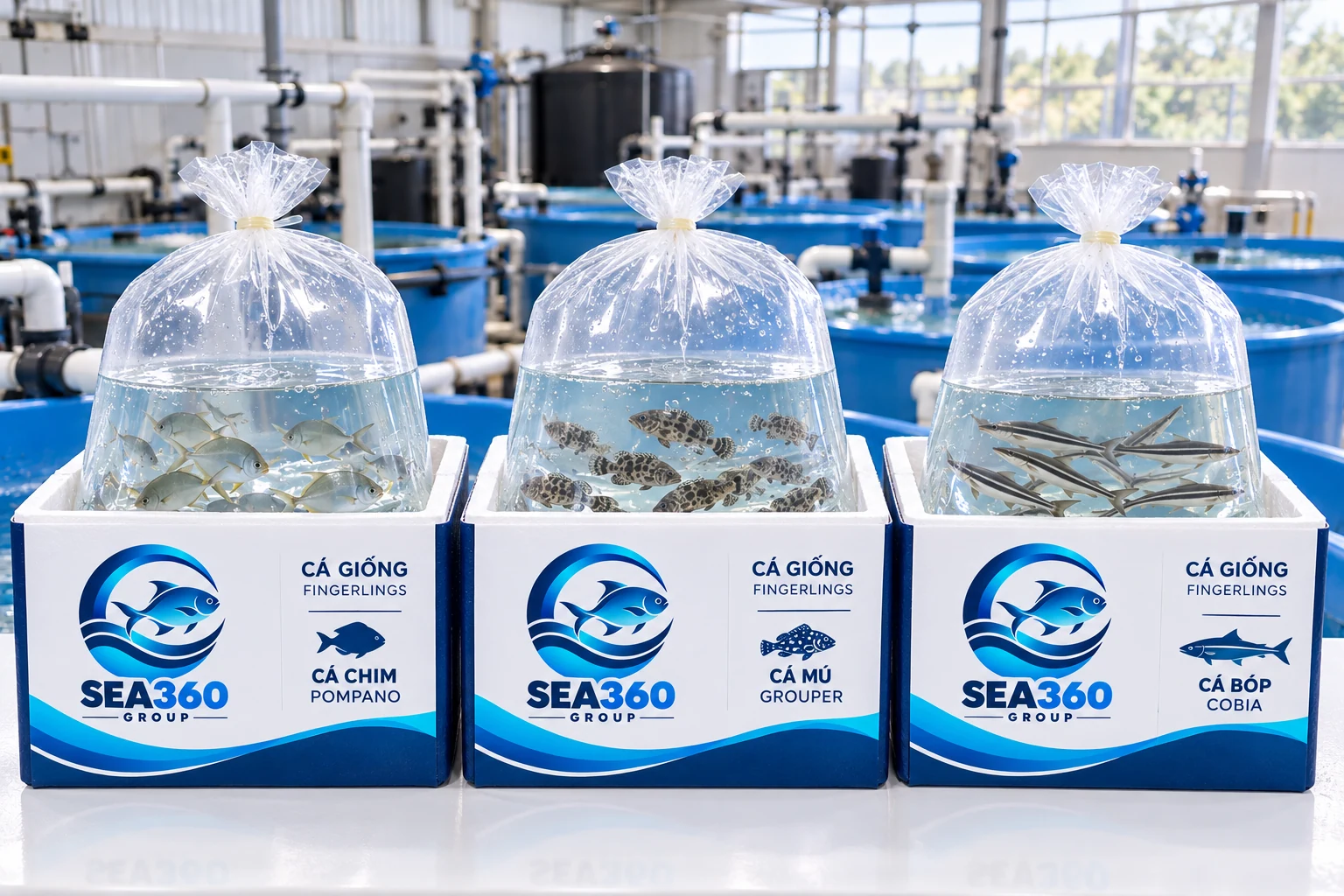
SEA360GROUPAQUACULTURE · SEAFOOD

SEA360GROUP · NURSERY INFRASTRUCTURE

RAS nursery systems

Discuss a recirculating nursery system by connecting biological objectives with the layout, water sources and operating arrangements.

Discuss a project
RAS nursery systemsIllustration featuring SEA360GROUP branding
RAS
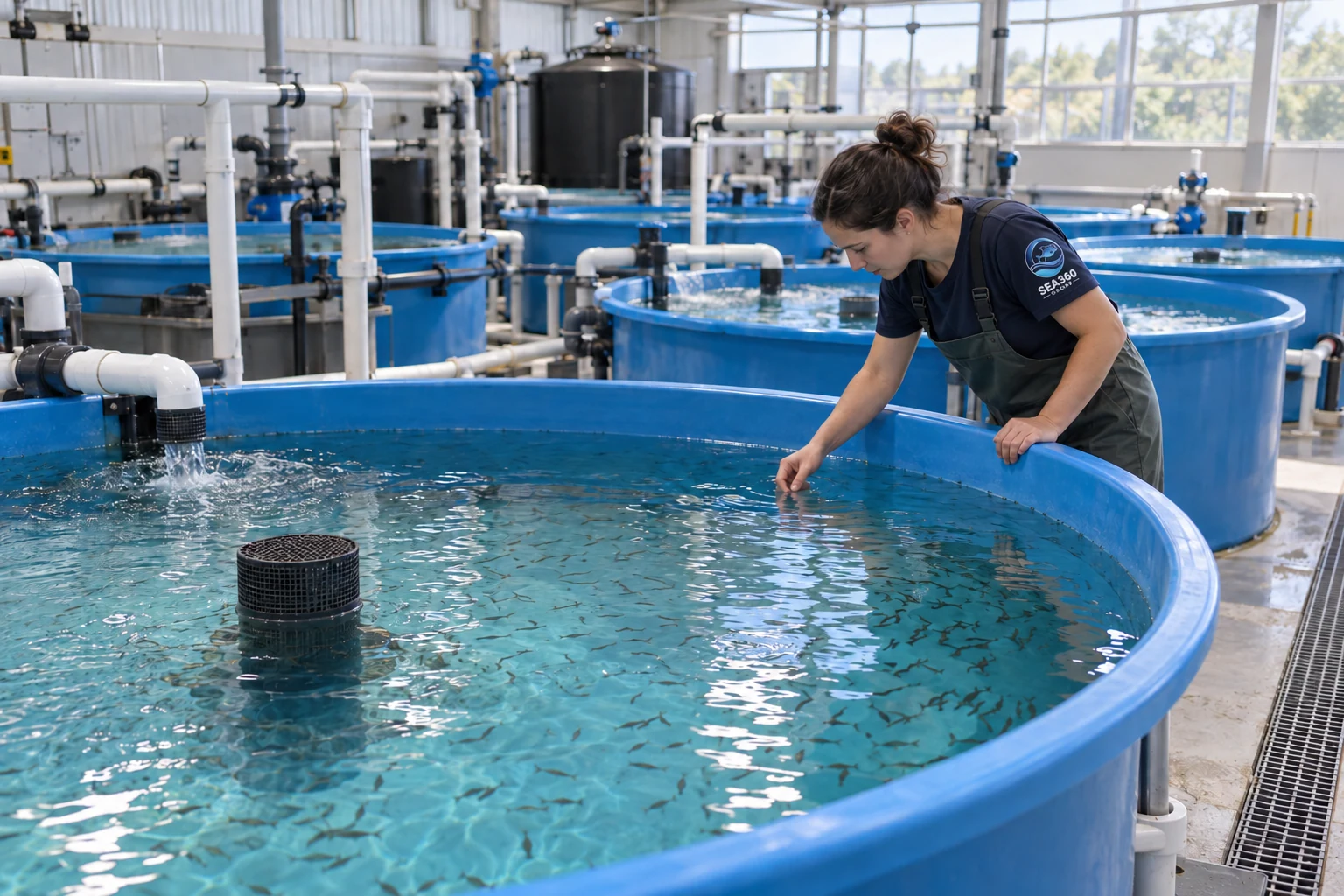
01Nursery tanks
02Solids removal
03Biofiltration
04Oxygen & return
Start with the nursery programme
Illustration featuring SEA360GROUP branding
01

Start with the nursery programme

A nursery system needs to be discussed alongside species, fingerling stage and the intended batch flow. SEA360 clarifies the intended use to develop a system scope around the information available for the project.

  • State species, incoming stage and receiving or transfer objectives.
  • Distinguish a new nursery from upgrading an operating facility.
Layout and site inputs
02

Layout and site inputs

Available space, water, electricity, drainage and access help define the system interfaces. Unresolved conditions should be identified for assessment before a detailed approach is developed.

  • Send a site plan, photographs and the project location.
  • Discuss source-water data, existing utilities and additional connections.
Tanks and water-treatment functions
03

Tanks and water-treatment functions

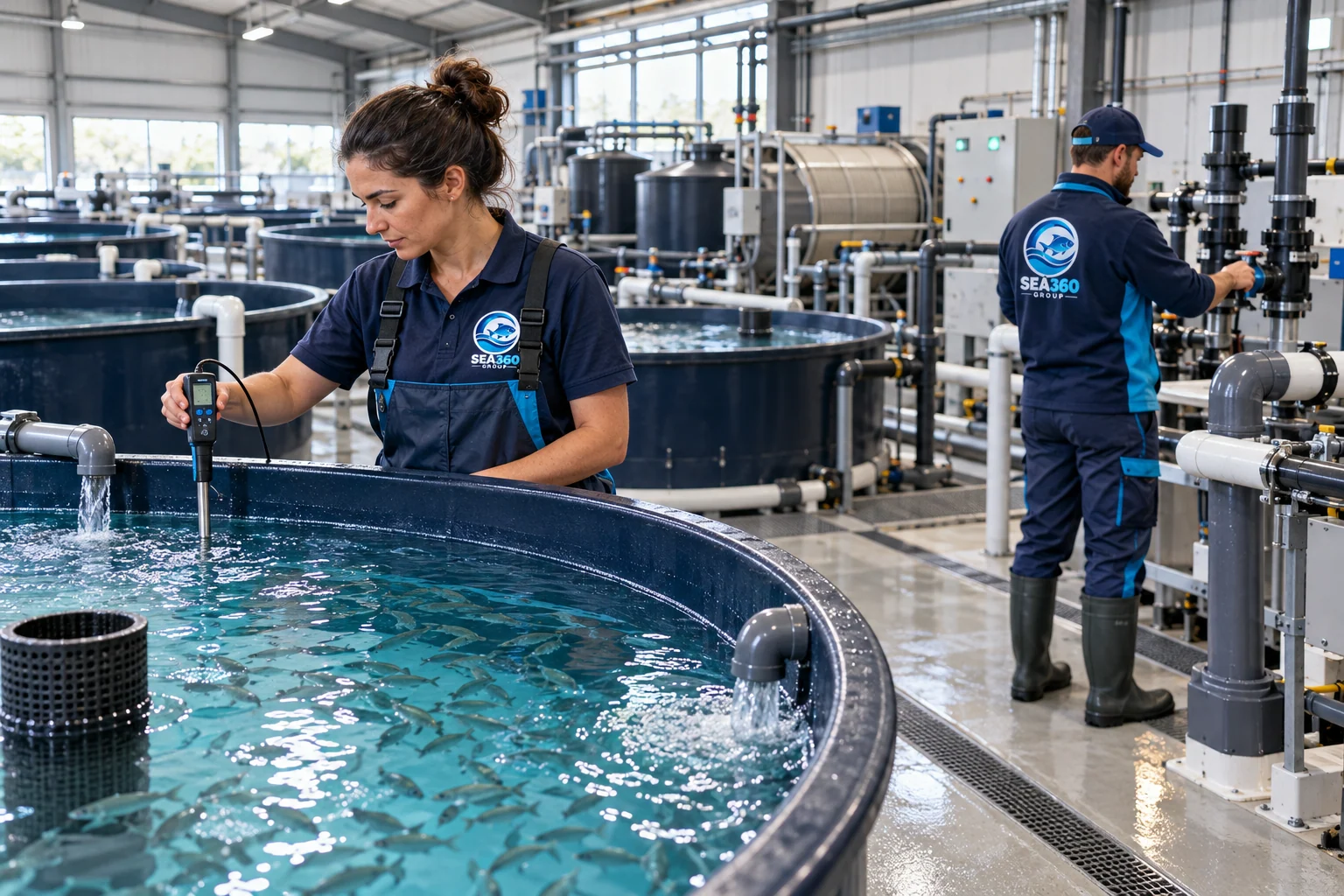
The scope may cover nursery tanks, pipework, solids collection, biological treatment, air/oxygen provision and monitoring. Selection and integration of these functions should be reviewed against the nursery objective and the project’s design basis.

  • Define functional modules and supply boundaries.
  • Clarify water, electrical and control interfaces and operating access.
04

Connect the system with nursery operations

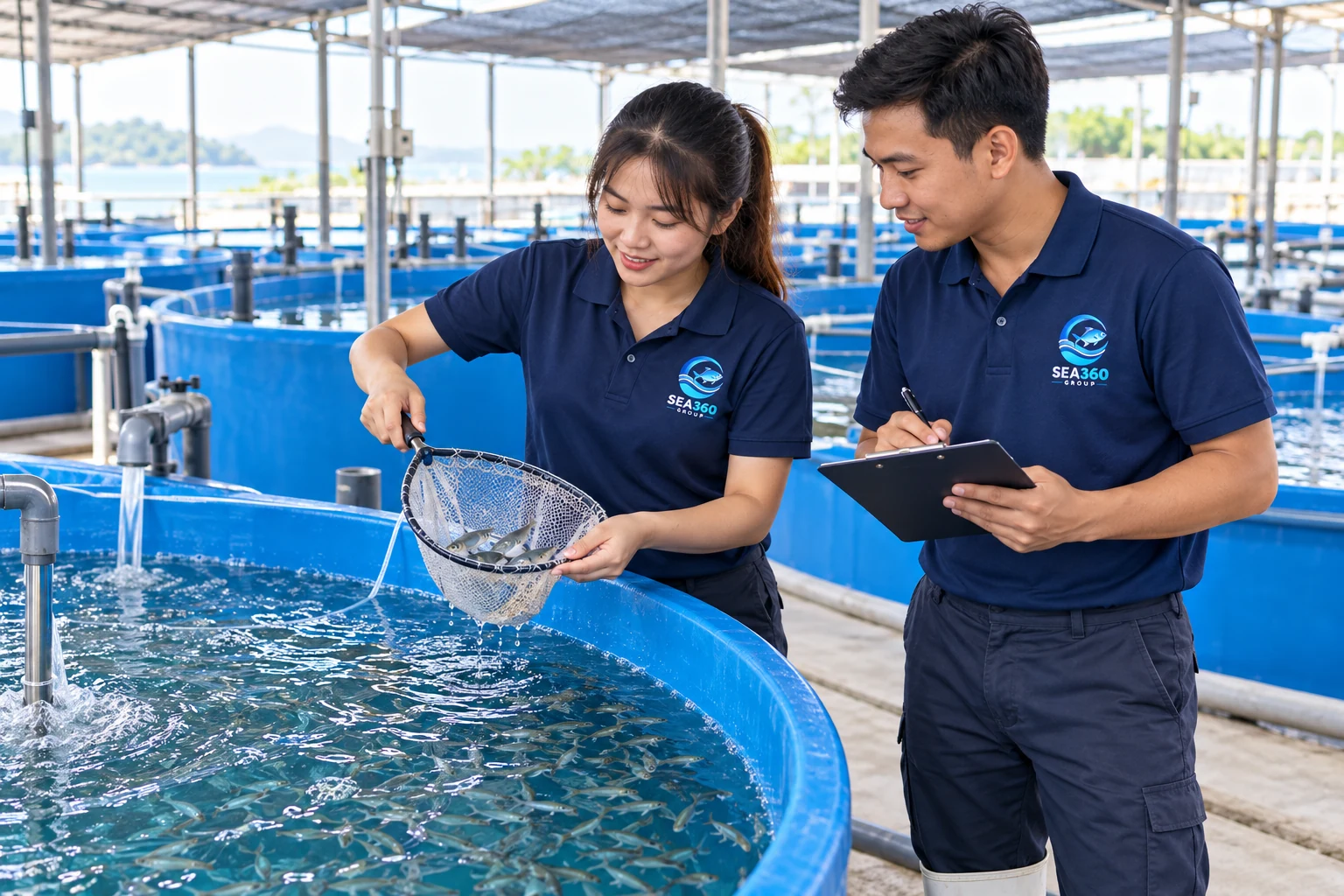
Fingerling, equipment and working flows are considered together with tank layout. Receiving, grading and transfer arrangements are discussed with the operating contact to identify use requirements and handover guidance.

  • Discuss batch plans and separation between working areas.
  • Review access, cleaning arrangements and maintenance space.
05

Implementation, inspection and handover

The proposal should separate equipment supply, connection works and the project owner’s responsibilities. Inspection, documents and operating guidance are defined within the agreed scope.

  • Agree equipment schedules, coordination contacts and inspection criteria.
  • Clarify documentation, orientation and post-handover support boundaries.
06

Send a RAS nursery enquiry

Describe the location, species, nursery objectives and current site conditions. Seafood product formats are not needed for a system enquiry; the RFQ notes field collects the project brief.

  • Send a layout or photographs and source-water data if available.
  • Select “RAS nursery systems” and describe scope, preferred timing and priorities.
RAS nursery systems

SEA360GROUP / SOLUTIONS

Project brief

Describe the location, objective, existing conditions, proposed scope and preferred timing.

01

Share the initial brief

Select a product or service and describe your objective, location and available information.

02

Review the location

Review existing conditions, supporting data and the questions requiring further assessment.

03

Agree the scope

Clarify work packages, coordination, handover documents and each party’s responsibilities.

04

Discuss the proposal & quote

Review the proposed approach, supply conditions and schedule before written confirmation.

Discuss a project

Next step

I am planning an HDPE or RAS project

Describe the current site and your goals to identify what needs to be surveyed.

  • Location, photos or a site plan, if available.
  • Species, goals and the parts to build or upgrade.
  • Existing infrastructure, operating team and intended timing.
Send a project brief

Supply, scope of work, schedules and responsibilities are confirmed through a written agreement.

SEA360GROUP

Find products & services

Explore SEA360

Search by product, supply format or infrastructure solution.